The Pioneers
The inventors, rebels, and dreamers who built the world we compute in. Every line of code we write stands on the shoulders of these giants.
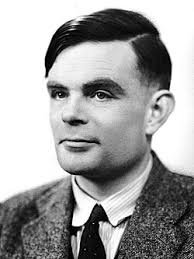
Alan Turing
1912 – 1954
The father of theoretical computer science. Turing formalized the concept of computation itself with his theoretical Turing machine, cracked the Nazi Enigma code during World War II, and laid the groundwork for artificial intelligence. His 1950 paper asking "Can machines think?" is still shaping how we build AI today.
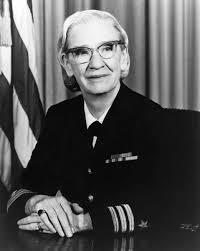
Grace Hopper
1906 – 1992
A Navy rear admiral and computer science trailblazer who believed programming should be written in plain English. She invented the first compiler, helped develop COBOL, and popularized the term "debugging" after finding an actual moth in a computer. She proved that code could be for everyone, not just mathematicians.
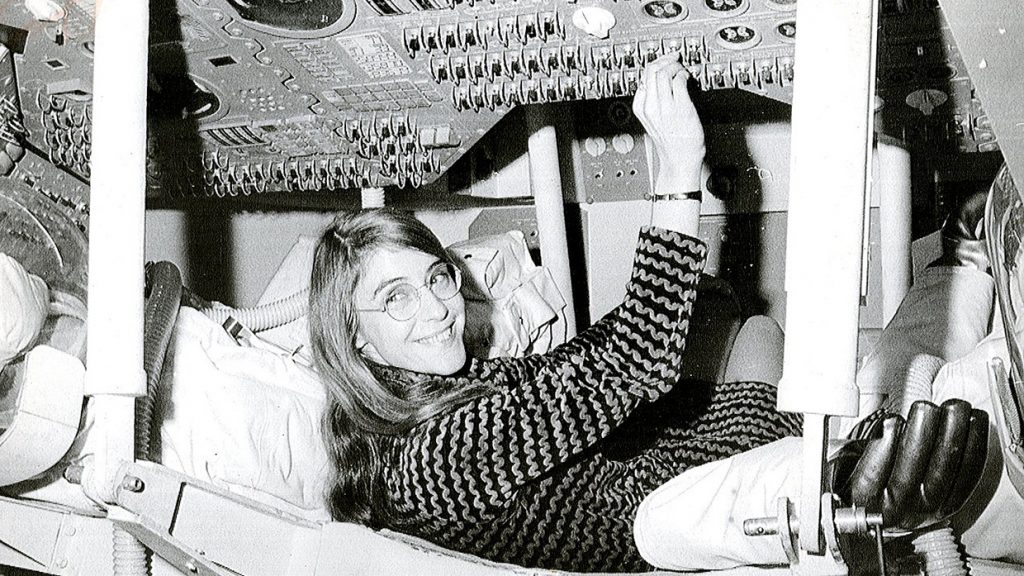
Margaret Hamilton
Born 1936
The software engineer who got humans to the moon. Hamilton led the team that wrote the onboard flight software for NASA's Apollo missions. Her code was so robust it saved the Apollo 11 moon landing when the computer overloaded minutes before touchdown. She coined the term "software engineering" and fought to have it taken seriously as a discipline.
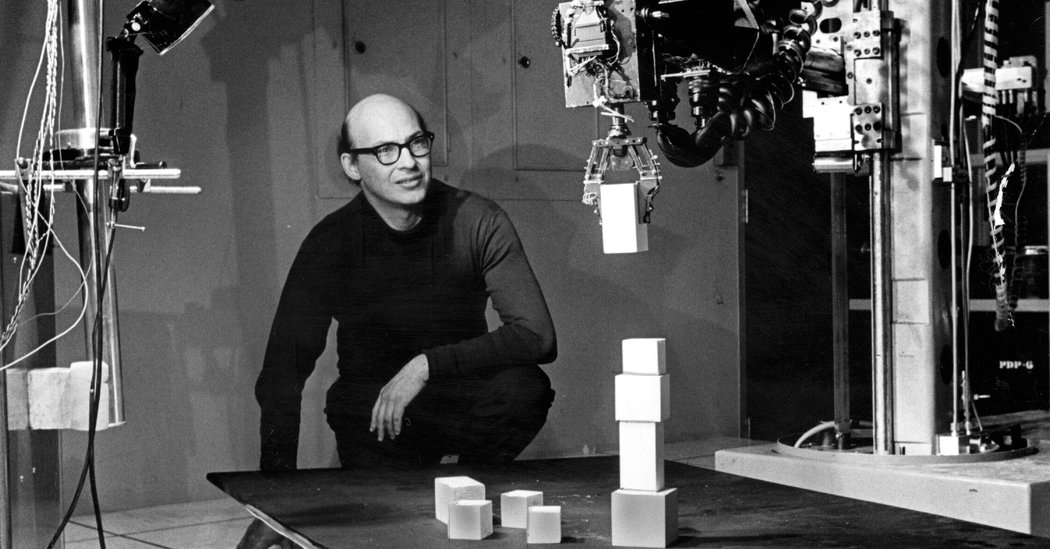
Marvin Minsky
1927 – 2016
Co-founder of MIT's AI Lab and one of the architects of artificial intelligence as a field. Minsky built some of the first neural networks, advanced theories of how minds work, and spent decades pushing the boundaries of what machines could learn. His book "The Society of Mind" proposed that intelligence arises from the interaction of many simple agents — an idea that echoes in modern AI.
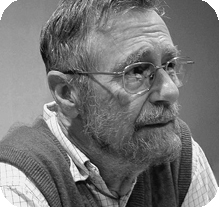
Edsger Dijkstra
1930 – 2002
The computer scientist who taught the world to think clearly about algorithms. Dijkstra invented the shortest-path algorithm that powers every GPS on Earth, pioneered structured programming, and waged a famous campaign against the GOTO statement. He wrote over 1,300 hand-written manuscripts and believed that elegance in code was not a luxury but a necessity.
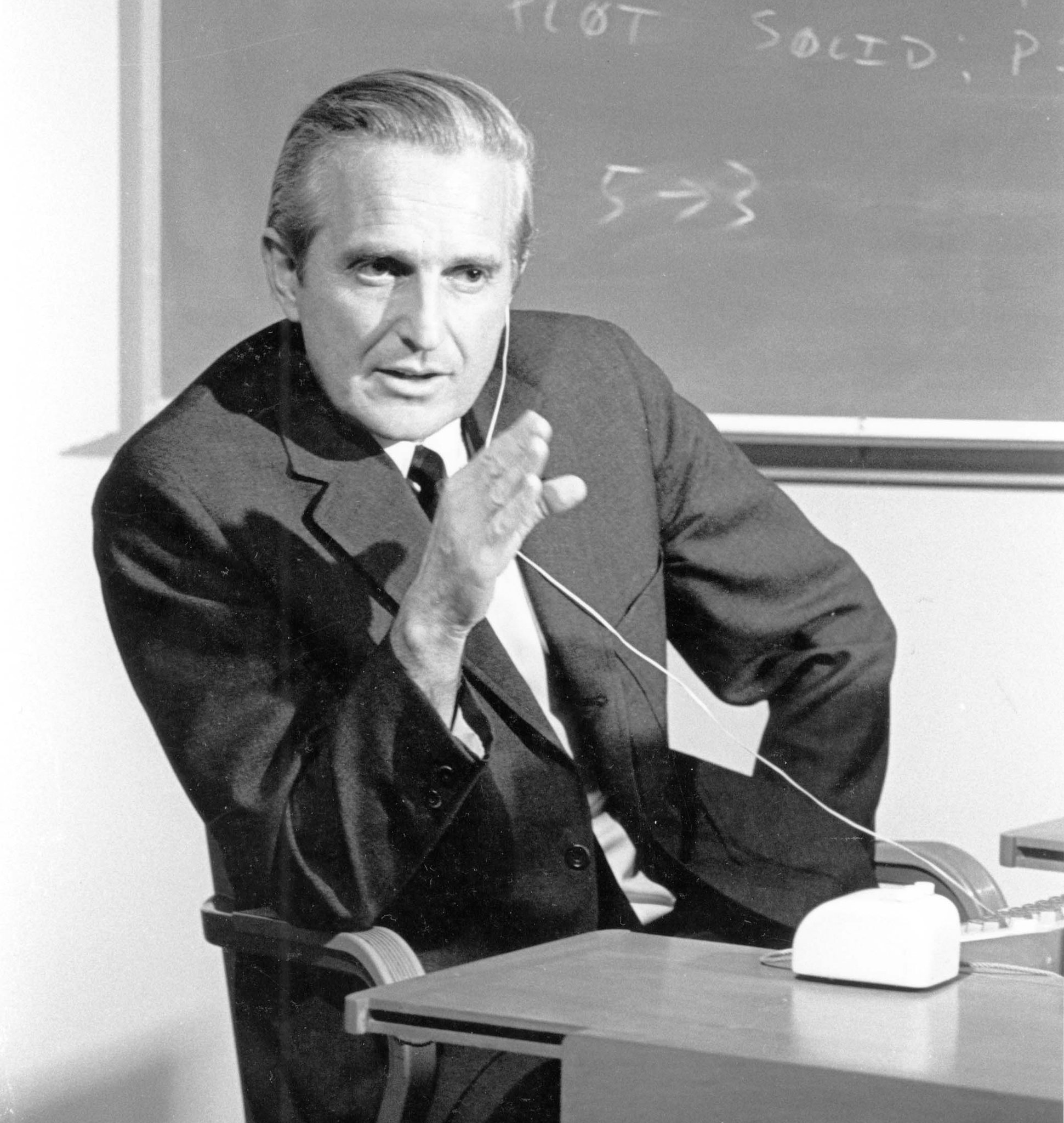
Douglas Engelbart
1925 – 2013
The inventor who imagined the future of computing decades before it arrived. In his legendary 1968 "Mother of All Demos," Engelbart showed the world the computer mouse, hypertext, video conferencing, and collaborative editing — all in a single 90-minute presentation. He didn't just predict the personal computer era; he built its prototype.
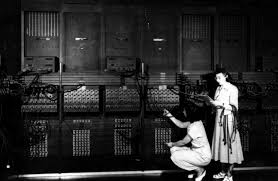
Ruth Lichterman
1924 – 1986
One of the six original programmers of ENIAC, the first general-purpose electronic computer. At a time when "computer" was a job title held by women doing calculations by hand, Lichterman and her colleagues figured out how to program a 30-ton machine with no manual and no programming language. They invented the craft of software from scratch.
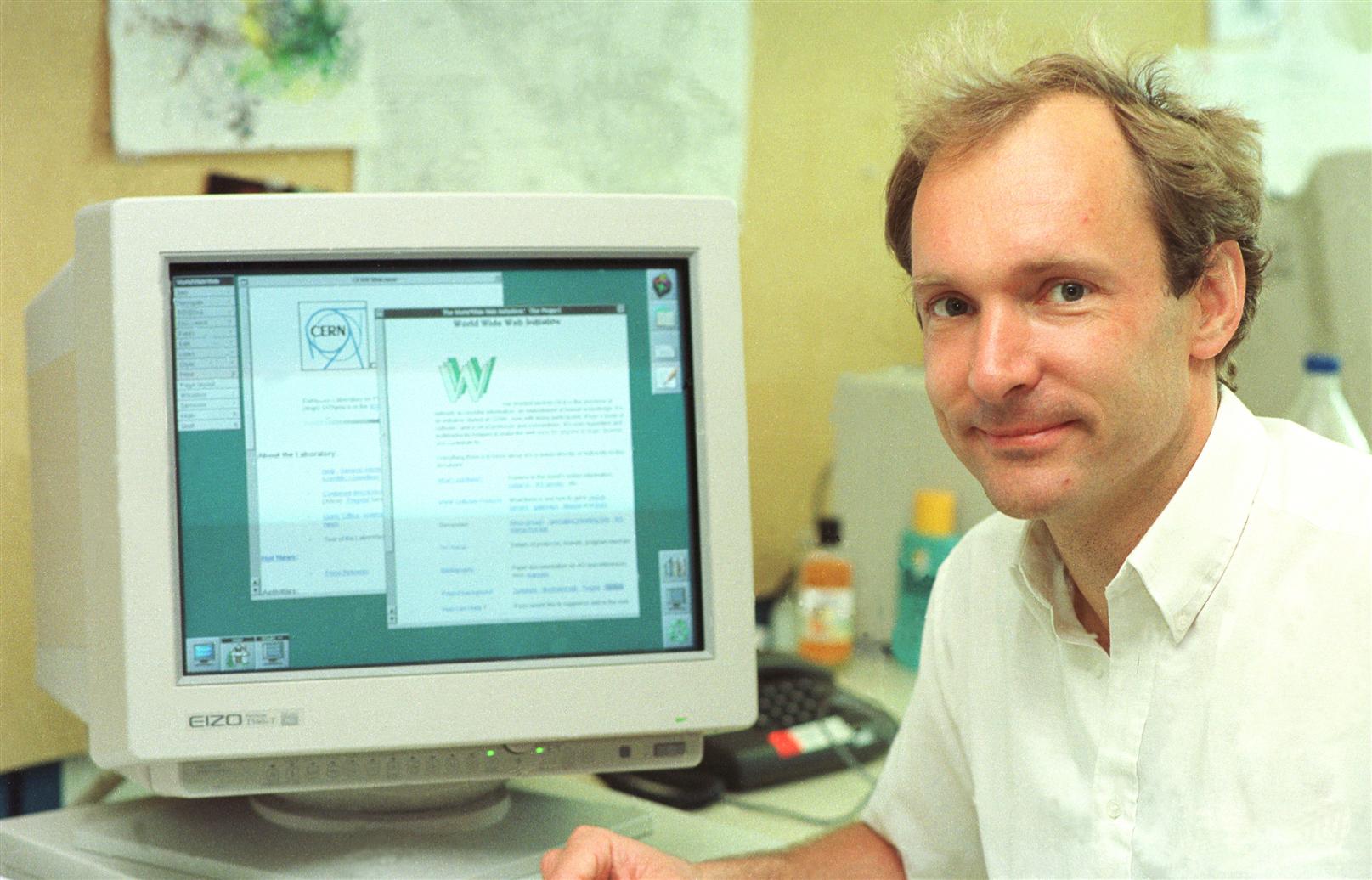
Tim Berners-Lee
Born 1955
The inventor of the World Wide Web. Working at CERN in 1989, Berners-Lee proposed a system for sharing information using hypertext over the internet — then built it. He created HTML, HTTP, URLs, and the first web browser. Instead of patenting it, he gave it to the world for free, making the open web possible.
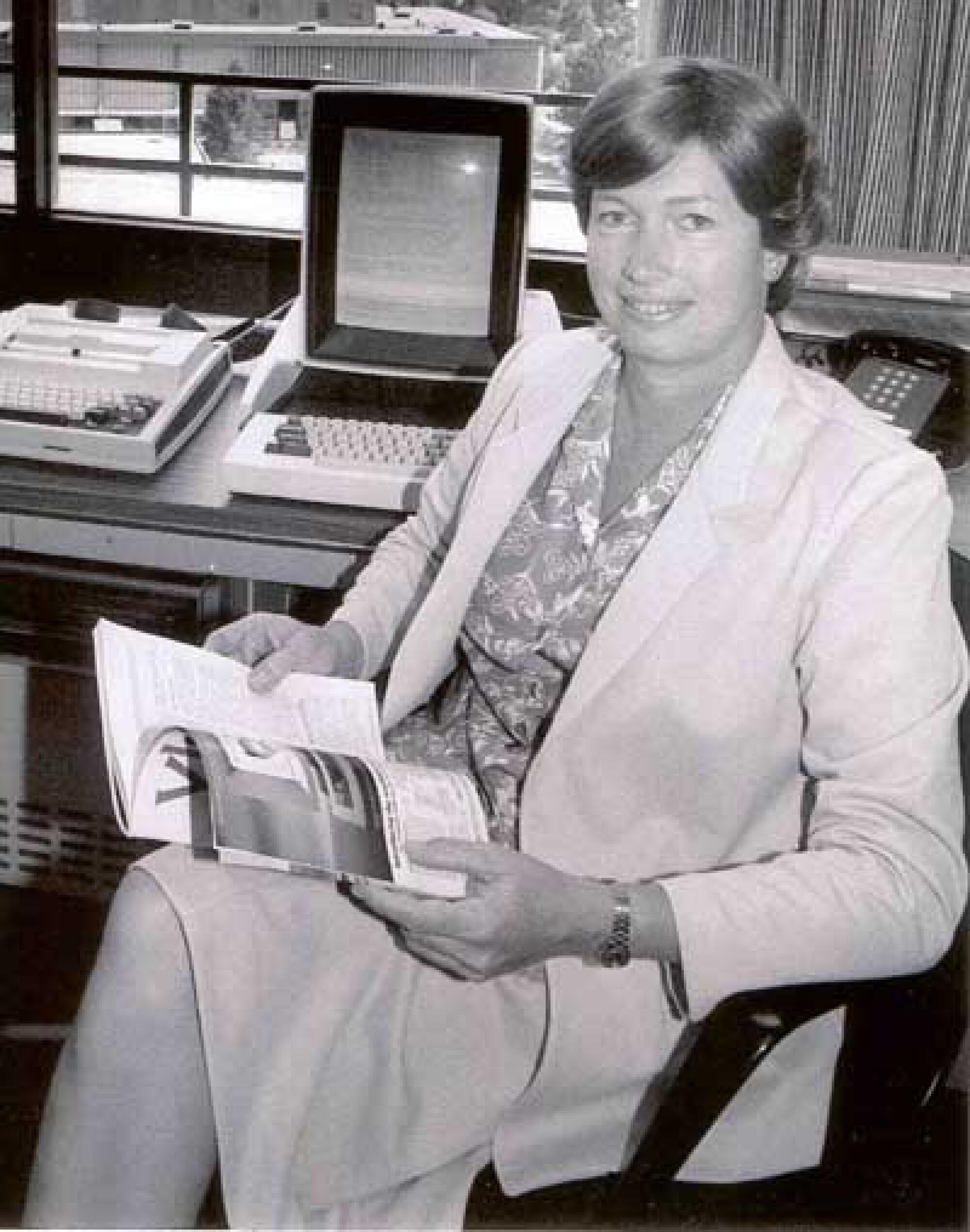
John Conway
1937 – 2020
A mathematician who turned play into profound discovery. Conway is best known for the Game of Life, a cellular automaton that showed how staggeringly complex behavior can emerge from a handful of simple rules. He also invented surreal numbers, made breakthroughs in group theory and knot theory, and believed that the best mathematics always starts with curiosity.
Ken Thompson & Dennis Ritchie
Thompson b. 1943 · Ritchie 1941–2011
The duo who created Unix and the C programming language — two inventions that underpin virtually all modern computing. Thompson built the first version of Unix; Ritchie designed C to make it portable. Together they proved that powerful software could be simple, composable, and elegant. Linux, macOS, Android, and the internet all trace their DNA back to their work at Bell Labs.

Leslie Lamport
Born 1941
The mind behind distributed systems. Lamport figured out how to make multiple computers agree on things — a problem that sounds simple until you realize the entire internet depends on it. He invented the Paxos algorithm, created LaTeX (the typesetting system used by every scientist on Earth), and won the Turing Award for making distributed computing actually work.
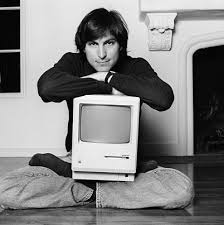
Steve Jobs
1955 – 2011
The co-founder of Apple who insisted that technology should be beautiful. Jobs didn't invent the personal computer, the smartphone, or the tablet — but he reimagined each one so completely that everything before looked like a rough draft. He believed that the intersection of technology and the liberal arts is where the most important work happens.
.jpg)
Shigeru Miyamoto
Born 1952
The most influential game designer in history. Miyamoto created Mario, Zelda, Donkey Kong, and Pikmin — not by chasing technology, but by turning everyday experiences like exploring caves and gardening into interactive worlds. He proved that games are an art form and showed an entire industry that the best design starts with joy.
Richard Stallman
Born 1953
The founder of the free software movement. Stallman launched the GNU Project, wrote the GPL license, and created GCC and Emacs — all because he believed users should have the freedom to study, modify, and share their software. Without his insistence that code should be free, the open-source ecosystem that powers the modern internet would not exist.
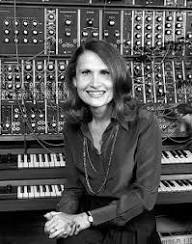
Wendy Carlos
Born 1939
An electronic music pioneer who showed the world that synthesizers were real instruments. Her 1968 album "Switched-On Bach" — classical music performed entirely on a Moog synthesizer — went platinum and won three Grammys. Carlos pushed the boundaries of sound design, composed the scores for "A Clockwork Orange" and "Tron," and proved that technology and artistry are inseparable.
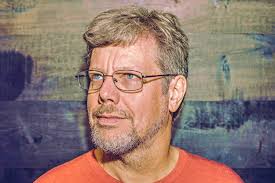
Guido van Rossum
Born 1956
The creator of Python, the programming language that made coding accessible to millions. Van Rossum designed Python to be readable, clean, and fun — a language where simplicity is a feature, not a limitation. Today Python powers everything from AI research to web development to kids' first programs, making it arguably the most important programming language of the 21st century.
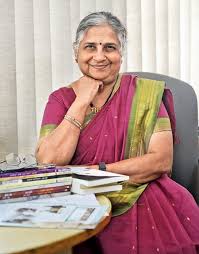
Katta G. Murty
Born 1936
A mathematician and operations researcher who spent decades advancing linear and combinatorial optimization. Murty's textbooks on linear programming and network flows have trained generations of engineers and scientists to solve real-world problems — from logistics to manufacturing to resource allocation. His work turns abstract math into practical tools that make complex systems run efficiently.